
Trip guides / Day trips
Obidos Day Trip: How to Get There, What to See and When to Go
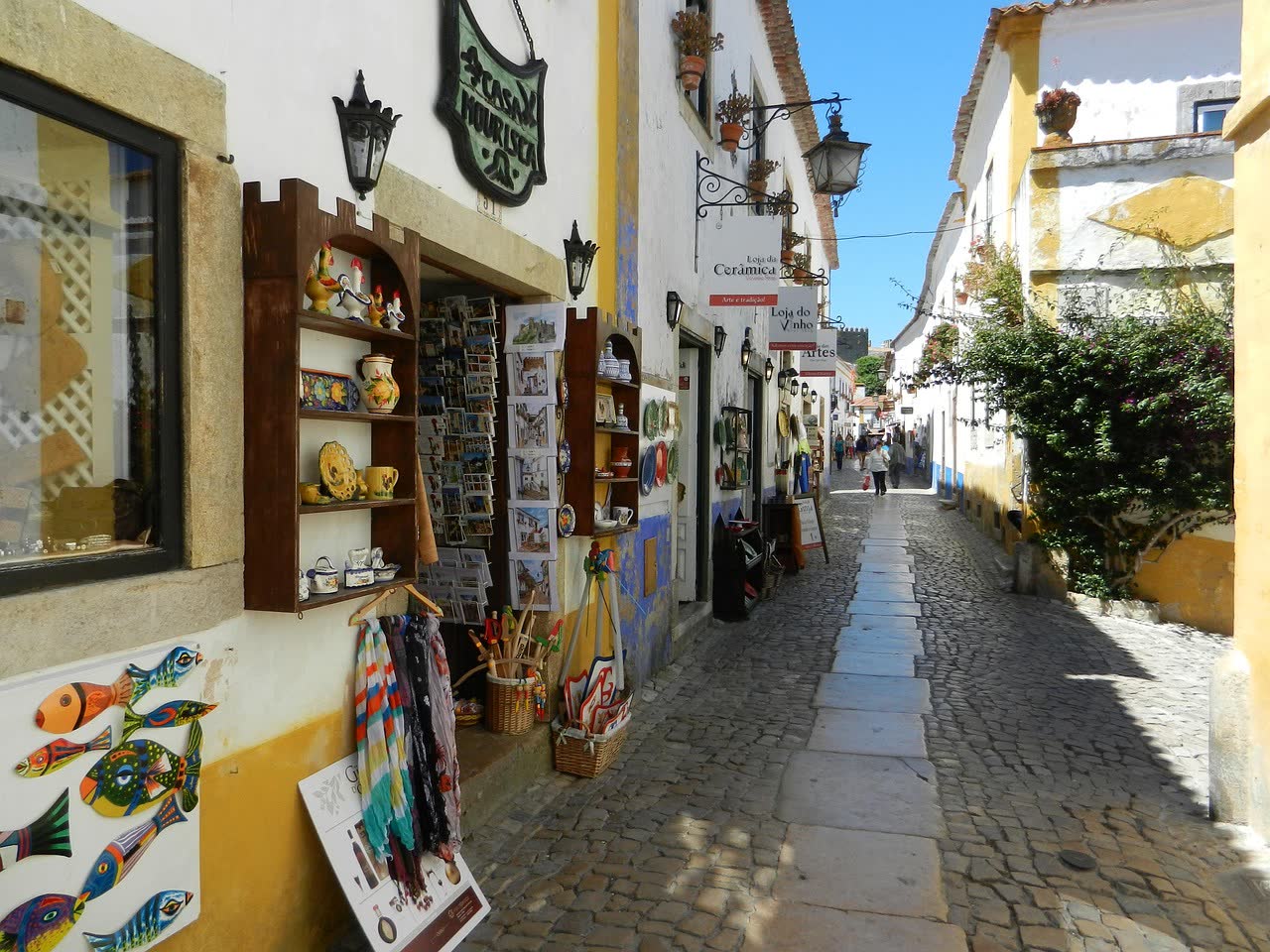
Óbidos is the fairy-tale town of Portugal: whitewashed houses trimmed in blue and yellow, bougainvillea spilling over cobbled lanes, and medieval walls you can walk right around. It’s just an hour from Lisbon, which makes it one of the easiest and prettiest day trips in the country. Here’s how to get there, what to see and when to go.
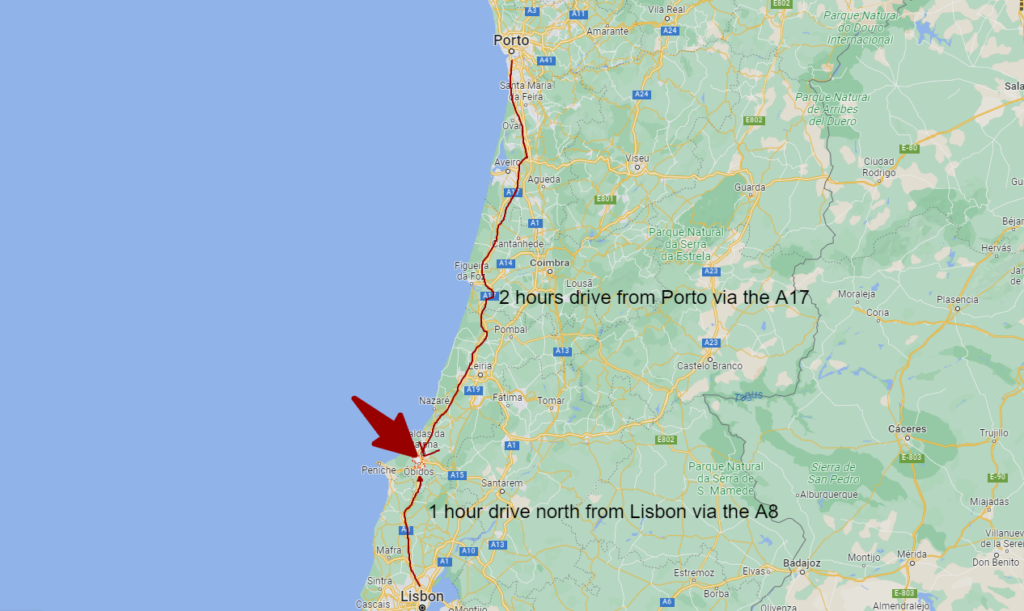
Quick answer: take the express bus from Lisbon’s Campo Grande (about 1 hour) or drive the A8. Allow 3–4 hours to walk the walls, wander Rua Direita and try ginjinha in a chocolate cup. Arrive early or stay the night to see it without the crowds. Combine it with Nazaré or Peniche for a full day.
Getting to Óbidos from Lisbon
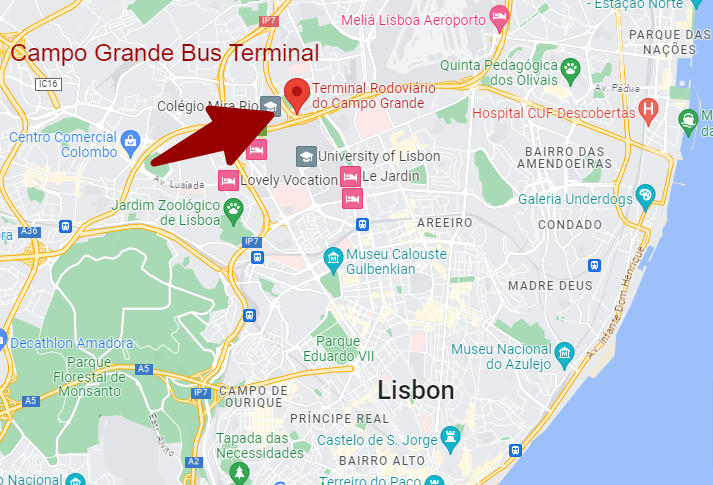
By bus (easiest without a car)
Rodotejo’s express bus (the Rápida Verde) runs from Campo Grande in Lisbon to Óbidos in about an hour, for around €9–10 one way. Take the metro (yellow or green line) to Campo Grande. The buses leave from stands around the station rather than a proper terminal, so allow a few extra minutes to find yours. Buses usually run at least hourly on weekdays, with fewer at weekends and on holidays. You can’t reserve seats, so arrive early for summer weekend departures. Check the current timetable before you go.
By car
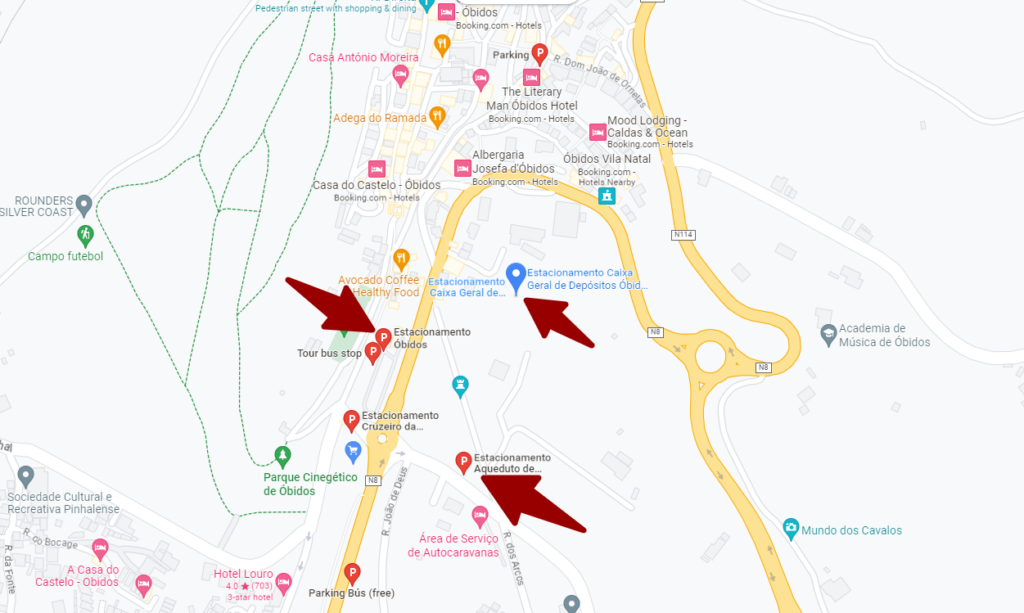
About an hour on the A8 motorway (tolled). Don’t try to drive inside the walls. Use the paid car parks just outside, near the aqueduct and the tourist office. See our car rental guide and Portugal tolls explained.
By train
There is a station below the town, but the Oeste line has had no trains south of Caldas da Rainha since storm Kristin in January 2026. Replacement buses run, and trains are due back from late 2026. Take the express bus.
On a tour
Day tours from Lisbon often combine Óbidos with Nazaré and Fátima (and sometimes Batalha or Alcobaça monasteries). It’s a long but rewarding day that’s hard to do by public transport. See Óbidos, Nazaré and Fátima tours. Already there? Join a guided walk or tasting in Óbidos.
Best things to do in Óbidos
1. Walk the town walls
The walls run for about 1.5km around the whole town, with amazing views over the rooftops and countryside. It’s free, but there are no railings and the path is narrow and uneven in places, so take care, and hold little hands tight.
2. Wander Rua Direita and the back lanes
The main street runs from the Porta da Vila gate (look up at its blue-and-white azulejo tiles) to the castle, lined with ceramics, cork, lace and wine shops. Then get lost in the quieter side lanes, which are the prettiest part of town.
3. Try ginjinha in a chocolate cup
Óbidos is famous for ginja (or ginjinha), a sweet sour-cherry liqueur served in a little chocolate cup you eat afterwards. You’ll find it sold all over town for a euro or two.
4. See the castle
The medieval castle at the top of town is now the Pousada Castelo Óbidos hotel, but you can admire it from the walls and the square outside.
5. Igreja de Santa Maria
The main church on the central square has a beautiful interior covered in 17th-century blue-and-white tiles and works by the painter Josefa de Óbidos.
6. Browse the bookshops
Óbidos is a UNESCO City of Literature, and books turn up in unexpected places. The most famous is Livraria de Santiago, a bookshop inside a converted church.
7. The Municipal Museum and São Martinho chapel
Small, but worth a look for local art (including more Josefa de Óbidos) and history. It’s next to the Santa Maria church and usually closed on Mondays. Meanwhile the tiny Gothic chapel of São Martinho dates from 1331.
Festivals: when to go
- International Chocolate Festival: usually weekends in March (6 to 22 March in 2026, Friday to Sunday), with chocolate sculptures, workshops and tastings.
- Medieval Market: usually mid to late July (16 to 26 July in 2026), with costumes, jousting, food stalls and music (paid entry, about €12 for adults in 2026).
- FOLIO literary festival: author talks and book events in October (8 to 18 October in 2026).
- Vila Natal: Óbidos’s Christmas village, from late November to early January. Lovely with kids.
- Quietest: early mornings, evenings and weekdays outside summer. Tour buses arrive mid-morning.
Check the Óbidos council website for exact dates each year, as they change.
Where to eat
- Jamón Jamón: a family-run favourite with a terrace under the old aqueduct. Try the slow-cooked oxtail or pork cheeks.
- A Nova Casa de Ramiro: stone arches and old wine vats, known for its shrimp risotto and pork tenderloin.
- Tasca Torta: small plates on the main street, and a famous chocolate cake.
- Ibn Errik Rex: a quirky old bar on Rua Direita for homemade ginja and flaming chouriço.
Where to stay
Staying the night is the secret: once the day-trippers leave, you have the lanes almost to yourself.
- Pousada Castelo Óbidos: sleep in the medieval castle itself. Unforgettable for a special occasion.
- Casa das Senhoras Rainhas: a boutique hotel inside the walls.
- Evolutee Hotel at Royal Óbidos: a five-star golf and spa resort near the coast, about 15 minutes away.
Or see all places to stay in Óbidos.
A little history
Óbidos dates back to Roman times, and its name probably comes from the Latin oppidum, meaning “fortified town”. In 1282 King Dinis gave it to Queen Isabel as a wedding present, and for centuries it was traditionally given to Portugal’s queens. That’s why it’s still called the Vila das Rainhas, the town of queens.
Nearby
Pair Óbidos with the surf town of Peniche and a boat to Berlenga island, the big waves of Nazaré, or see the rest of our best day trips from Lisbon.
Is Óbidos worth visiting?
Yes, especially early in the morning, in the evening or off-season. Walk the walls, drink ginjinha, and combine it with Nazaré, Alcobaça or the Silver Coast. The main street gets crowded with tour groups around midday, and the souvenir shops are touristy.
Why it’s worth it
- The walls: walk around the town on the ramparts.
- The streets: white houses, flowers and quiet side lanes.
- Ginjinha: cherry liqueur in chocolate cups. See the ginjinha guide.
- Bookshops: Óbidos is a UNESCO City of Literature, with bookshops in unusual places.
The downsides
- Crowds: busy with tour groups around midday.
- Small: you can see it in a couple of hours.
- The walls: no railings in places, so take care.
Plan your visit
See the Óbidos guide and where to stay in Óbidos, as staying overnight is magical.
FAQ
Can I get to Óbidos by train from Lisbon?
Not at the moment. Take the Rápida Verde express bus from Campo Grande instead, which takes about an hour.
Do you have to pay to walk the walls?
No, they’re free. With no railings, skip the higher stretches with small children.
When is the Medieval Market?
Usually in the second half of July, with paid entry.
See also: Caldas da Rainha, Foz do Arelho and Christmas markets in Portugal.
Some links in this guide are affiliate or referral links (GetYourGuide, Booking.com, Discover Cars, Welcome Pickups, Airalo, Yesim, Saily, Tiqets, Radical Storage, EKTA, AirHelp, Uber). If you book or sign up through them we may earn a small commission or ride credit at no extra cost to you. It helps keep our groups and this site free.
Still got questions?
Ask 305,000+ travellers and locals in our free Facebook groups.