
Trip guides / Planning
Accessible Travel in Portugal: A Practical Guide
Portugal is welcoming, but its hills, cobbled pavements and historic buildings make it challenging for wheelchair users and travellers with limited mobility. With the right base and some planning, though, it’s very doable. Here’s a practical guide to accessible travel in Portugal.
Quick answer: the most accessible areas are Lisbon’s Belém and Parque das Nações, Porto’s riverside, flat Aveiro, and the promenades of Cascais and the Algarve resorts. Many beaches have accessible facilities (look for the “Praia Acessível” sign), with ramps and amphibious chairs in summer. The metro systems are largely step-free, but the historic trams are not.
The challenges
- Hills: Lisbon, Porto, Sintra and Coimbra are very steep.
- Cobbles: traditional calçada pavements are uneven and slippery when wet.
- Historic sights: castles and palaces often have steps and limited access.
- Old buildings: small guesthouses may have no lift.
Lisbon
- The metro has lifts at most stations. Check before you travel.
- Accessible buses: most Carris buses are low-floor. The historic trams are not accessible.
- Flat areas: Belém (Jerónimos, the riverside, MAAT), the Baixa grid, the riverfront and Parque das Nações (the Oceanário). See Belém and Parque das Nações.
- Getting up the hills: taxis and accessible tuk-tuk tours. See tuk-tuk tours.
Porto
The metro is step-free, and the riverside in Ribeira and Gaia is flat. The upper town is steep, so use taxis. Boat trips are a great way to see the city. See the six bridges cruise.
Beaches
Portugal has many accessible beaches with ramps, boardwalks, adapted toilets and, at some, amphibious chairs and assisted bathing in summer. The Algarve, Cascais and the Silver Coast have good options. See the best beaches in Portugal.
Getting around
- Trains: CP offers assistance for passengers with reduced mobility. Book it in advance. See the train guide.
- Airports: request assistance through your airline.
- Car hire: adapted vehicles are available from specialist companies.
Where to stay
- Choose modern hotels with lifts and accessible rooms, and confirm details directly.
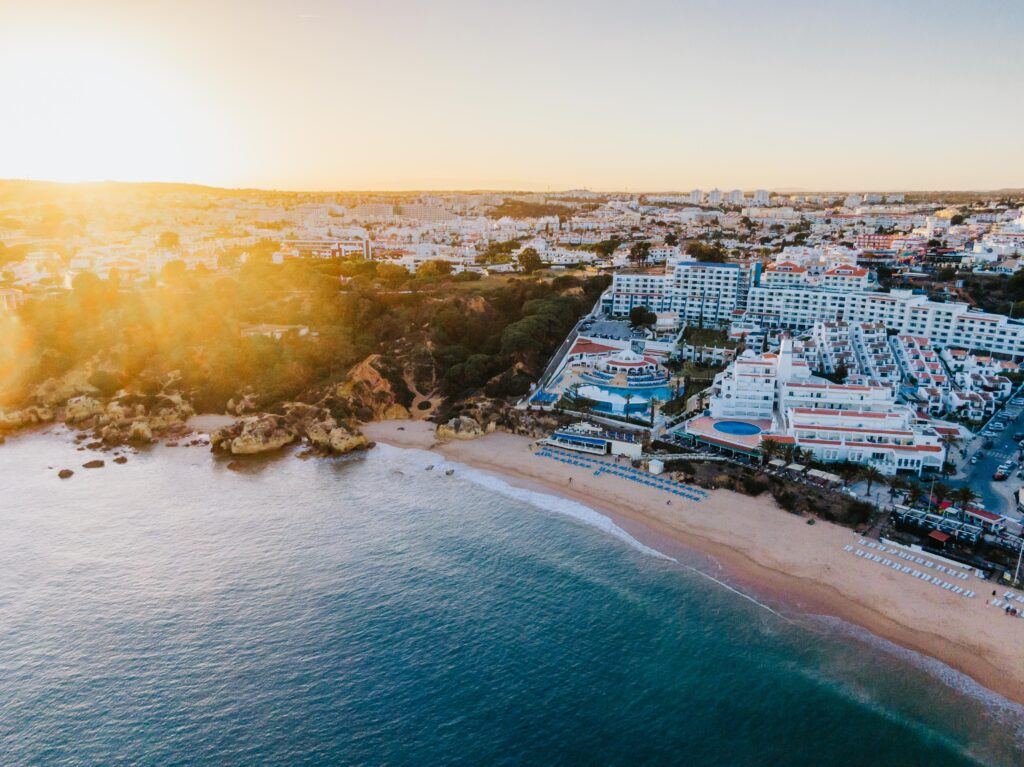
- Algarve resorts are often flat and well equipped. See the best Algarve hotels.
- Cascais has a flat seafront promenade. See the best Cascais hotels.
Tips
- Priority: people with disabilities get priority service in shops and public services by law.
- Ask ahead: museums often have accessible entrances that aren’t obvious.
- Accessible tours: specialist operators run adapted tours in Lisbon and Porto.
More: Portugal for older travellers and things to know before visiting Portugal.
Prices and details change, so please double-check before you travel. Spotted something out of date? Tell us in the groups.
Still got questions?
Ask 305,000+ travellers and locals in our free Facebook groups.