
Trip guides / Planning
Portugal for Older Travellers
Portugal is a superb destination for older travellers. It’s safe and welcoming, with good food, gentle weather and a slower pace of life, and it’s easy to get around without a car. Winter stays in the Algarve and Madeira are especially popular. Here’s how to plan a comfortable trip.
Quick answer: choose a comfortable base and take day trips rather than moving every night. The flattest, easiest places are the Algarve resorts, Cascais, Madeira’s Funchal seafront and Aveiro. Lisbon and Porto are steep, so use taxis, trams and tours. River cruises on the Douro are a relaxing way to see wine country. Look out for senior discounts on trains and at sights.
Why Portugal works well
Distances are short, trains are comfortable and good value, and English is widely spoken in tourist areas. Meals are relaxed, with long lunches the norm, and the climate is mild for much of the year. Many visitors return year after year for a month or more in the winter sun.
The best places
- The Algarve: mild winters, flat promenades and resorts. Popular for long winter stays, with plenty of apartments and English-speaking services. Tavira and the flatter seafronts of Vilamoura and Monte Gordo are easier than the cliff-top towns. See the Algarve in winter.
- Madeira: spring-like weather all year, gardens and an easy seafront in Funchal. The city climbs steeply inland, so stay near the seafront or the Lido and use taxis for the hills. The cable car up to Monte saves a steep climb. See Madeira in winter.
- Cascais and Estoril: a seaside base with a flat promenade and a direct train to Lisbon, usually taking about 35 to 40 minutes. See the best hotels in Cascais.
- Aveiro: small and flat, with canals, boat rides and the train on the main Lisbon to Porto line.
- Lisbon and Porto: wonderful, but hilly. See below.
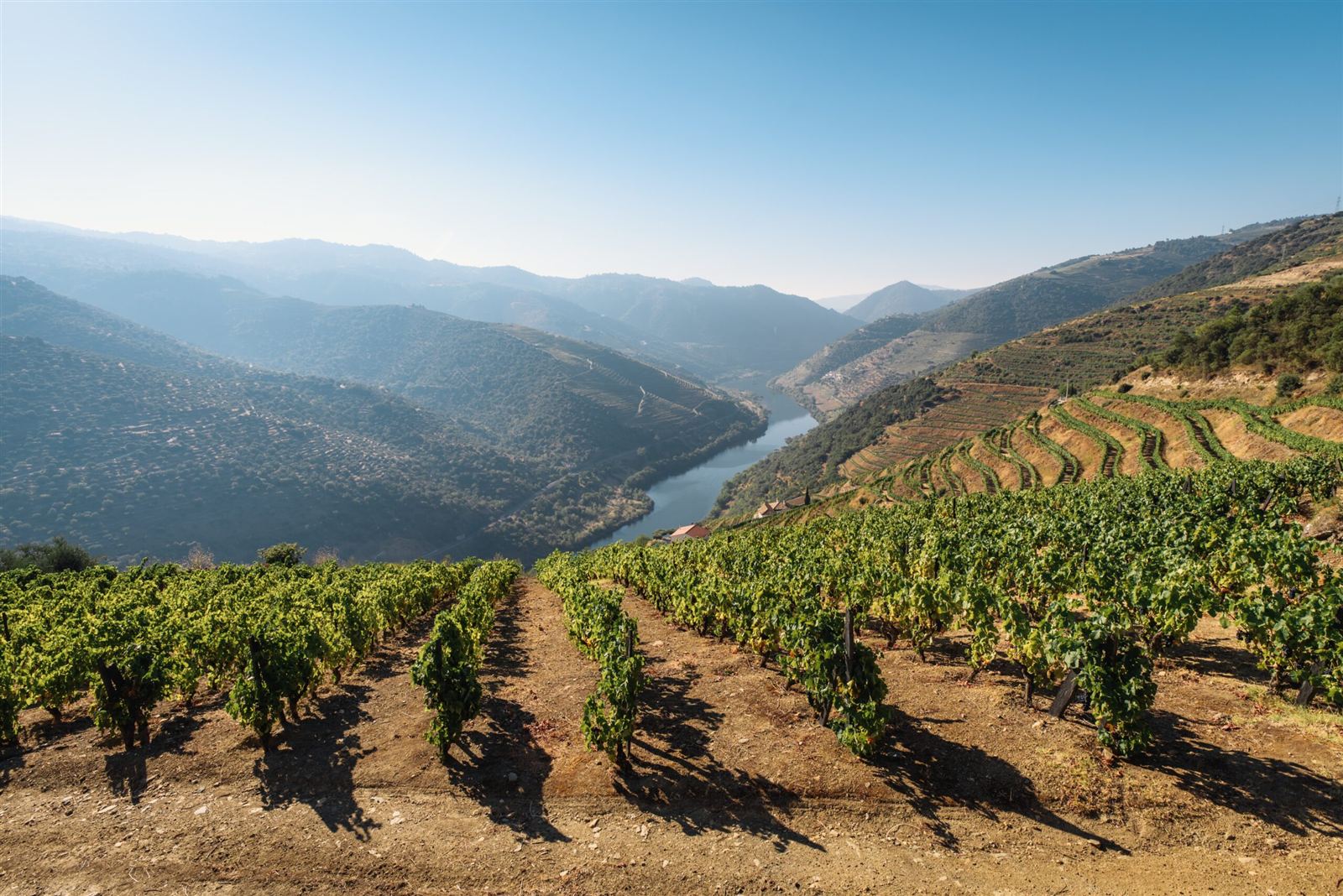
- The Douro: best seen from a boat or the train. The line from Porto along the river to Pinhão is one of Europe’s most scenic rail journeys. See Douro river cruises.
Lisbon and Porto without the hills
- Take a tuk-tuk or a hop-on hop-off bus up the hills. See Lisbon tuk-tuk tours.
- Taxis and Uber are cheap. See Uber vs Bolt vs taxi.
- Plan around the hills: Lisbon’s Glória, Bica and Lavra funiculars and the Santa Justa Lift have been closed since 2025, and Porto’s Guindais funicular since July 2026, so use taxis, buses, trams and the metro for the steep parts. Many metro stations have lifts, but check before you rely on one. See Lisbon public transport.
- Stay low: the Baixa in Lisbon and Ribeira or Aliados in Porto.
- Boat trips are relaxing. See Lisbon sunset cruises and the six bridges cruise.
- Choose flatter sights: Belém in Lisbon is level and has many of the city’s best monuments in one area.
Guided tours
Small-group and private day tours handle the driving and walking at a comfortable pace. They’re ideal for Sintra, the Douro and Fátima. In Sintra, the palaces involve steep paths and many steps, so a tour with transport between sights saves a lot of effort. See the best Lisbon tours and the best Porto tours.
A relaxed one-week plan
- Days 1–3: base yourself in Lisbon’s Baixa or in Cascais. Visit Belém, take a river cruise and join a small-group tour to Sintra.
- Day 4: the train to Porto, stopping in Aveiro or Coimbra if you like.
- Days 5–7: Porto’s riverfront, a six bridges cruise, a port tasting in Gaia and a day in the Douro by train or boat.
Practical tips
- Train discounts: CP, the national railway, gives a discount of up to 50% to everyone aged 65 and over, whatever their nationality. Show ID with your ticket. See the train guide.
- Sights: many museums and monuments offer reduced tickets for over-65s. Carry ID and ask.
- Pavements: wear shoes with good grip, as the stone pavements are slippery, especially when wet.
- Health: pharmacies are excellent and pharmacists give good advice. A rota of duty pharmacies covers nights and weekends. Bring your prescriptions, in their original packaging, and travel insurance. EU travellers can use the EHIC and UK travellers the GHIC. See healthcare for tourists.
- Emergencies: call 112.
- Heat: avoid July and August inland. Spring and autumn are ideal. See the best time to visit.
- Priority: by law, shops and public services must give priority to people aged 65 and over who have a visible physical or mental limitation, as well as to people with disabilities and pregnant women. It doesn’t apply to every older person automatically.
- Luggage: pack light or use a luggage service, as many older buildings have stairs and no lift. Check before you book.
More: accessible travel in Portugal, the train guide and 7 days in Portugal.
Prices and details change, so please double-check before you travel. Spotted something out of date? Tell us in the groups.
Still got questions?
Ask 305,000+ travellers and locals in our free Facebook groups.