
Trip guides / Algarve
The Algarve in Winter: Weather, Things to Do and What's Closed
The Algarve in winter is one of Europe’s best-kept secrets: blue skies, empty golden beaches, almond blossom, half-price hotels and sunny lunches on terraces while the rest of Europe shivers. It’s not beach-holiday weather, but it’s perfect for walking, golf, exploring and slow living. Here’s what to expect.
Quick answer: from December to February, expect daytime highs of about 16–18°C, cool nights (8–12°C), the sea at around 15°C, and some rainy days (January is the wettest). It’s great for coastal walks, golf and town visits. Water parks and Zoomarine are closed, and some beach restaurants shut, but most towns stay lively. Bring layers: houses aren’t built for the cold!
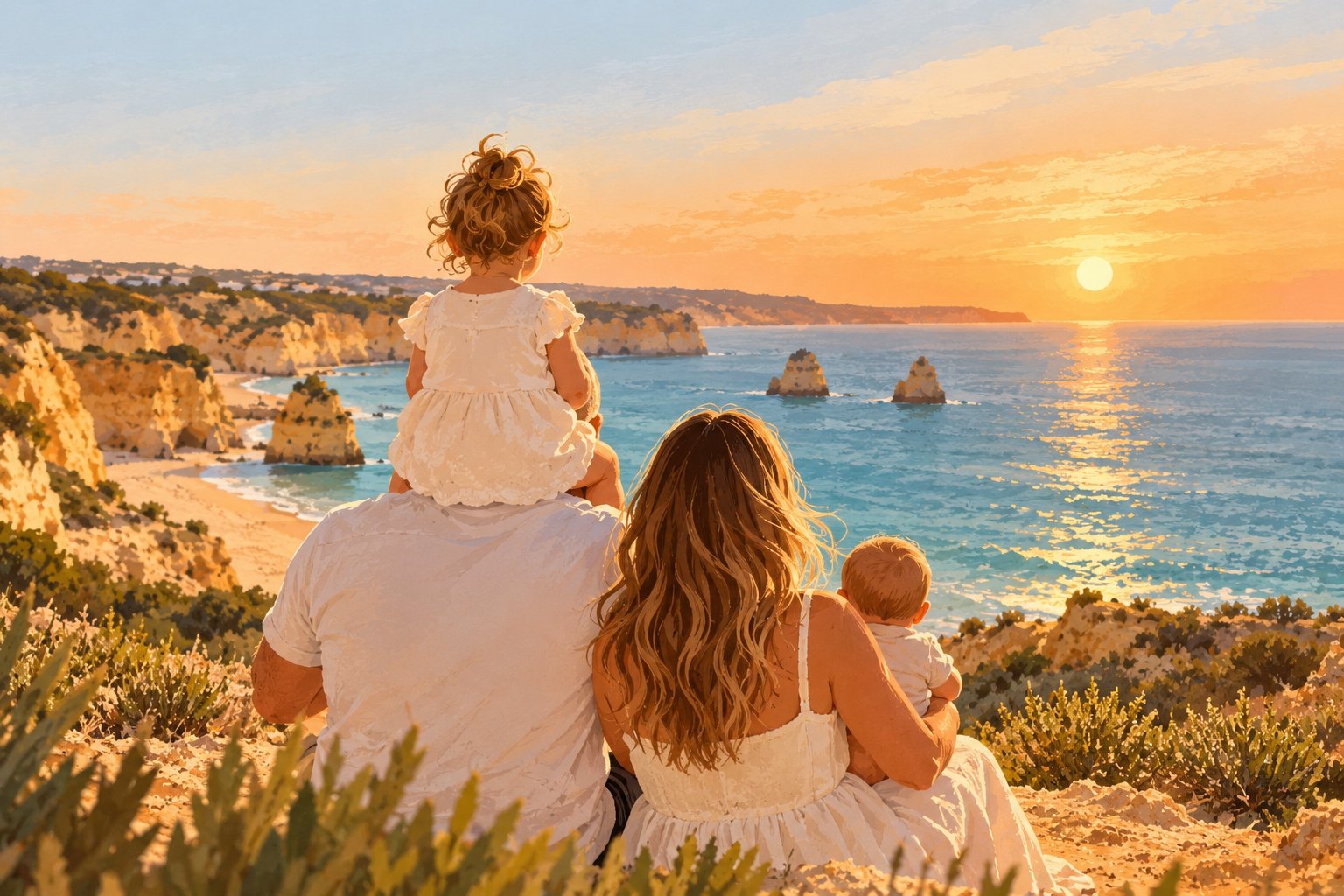
The weather
- Days: often sunny and 16–18°C, warm enough for lunch outside in the sun.
- Nights: 8–12°C, and chilly indoors. Many Portuguese homes have no central heating.
- Sea: about 14–16°C, coldest in February. Brave swimmers only (or a wetsuit).
- Rain: comes in bursts, usually followed by clear days. January is the wettest month.
- The east is drier and sunnier than the west coast.
See the best time to visit Portugal.
Best things to do in winter
- Coastal walks: the Seven Hanging Valleys trail and the Ponta da Piedade cliffs are perfect in the cooler weather. See the best Algarve photo spots.
- Golf: winter is high season for golf, with mild weather and green courses. See golf experiences.
- Almond blossom: from mid-January into February, the inland hills turn white and pink. Castro Marim’s almond blossom festival is usually in February.
- Towns and villages: Tavira, Silves, Loulé market, Faro old town and Monchique. See the best day trips from the Algarve.
- Boat trips: Benagil and dolphin trips run when the sea allows, but cancellations are more common, so keep a flexible day. See the best boat trips.
- Seville: a great winter day trip, cooler and less crowded than in summer.
Festivals and events
- Festival da Batata-Doce (Aljezur, late November): a free festival of the local sweet potato.
- Christmas markets and lights in Faro, Lagos and Monchique from late November or early December. See Christmas in Portugal.
- New Year’s Eve: fireworks and parties on the beaches of Albufeira, Lagos and Portimão.
- Loulé Carnival: the Algarve’s biggest carnival parade, held over Carnival weekend in February (around 7–9 February in 2027).
What’s closed
- Water parks and Zoomarine close for the winter (Zoomarine reopened in mid-March in 2026).
- Some beach restaurants and bars close or open only at weekends.
- Island ferries run a reduced timetable.
- Lifeguards are off duty, so take extra care in the sea.
Where to stay
- Towns that stay lively all year: Lagos, Tavira, Faro and Albufeira old town.
- Hotels: heated pools and spas make a big difference. Check before booking.
- Long stays: winter is popular with “snowbirds” from northern Europe, with good monthly rental deals. Check heating, insulation and whether there’s a dehumidifier.
See where to stay in the Algarve or browse Algarve stays.
What to pack
- Layers, a warm jumper and a light waterproof jacket.
- Slippers and warm pyjamas, as homes and rentals can be cold at night.
- Sunglasses and sun cream: the winter sun is still strong.
- Walking shoes for the cliff paths.
More: Portugal in winter, including Lisbon, Porto, Madeira and the Azores.
Some links in this guide are affiliate links (GetYourGuide, Booking.com, Discover Cars). If you book through them we may earn a small commission at no extra cost to you. It helps keep our groups and this site free.
Still got questions?
Ask 305,000+ travellers and locals in our free Facebook groups.