
Trip guides / Douro
The Coa Valley Rock Art: How to Visit
In the Côa Valley, in the upper Douro, thousands of prehistoric engravings of horses, aurochs and ibex are carved into the rocks in the open air. It’s one of the most important Palaeolithic rock art sites in the world, and a UNESCO World Heritage site. Here’s how to visit.
Quick answer: start at the Côa Museum near Vila Nova de Foz Côa, then join a guided tour (usually in a 4x4) to one of the rock art sites, such as Canada do Inferno, Penascosa or Ribeira de Piscos. Book ahead. Night tours at Penascosa use lamplight to reveal the engravings. It’s about 2.5 hours from Porto.
About the site
The engravings were discovered during the building of a dam in the 1990s. The dam was abandoned to save them, and the site became a UNESCO World Heritage site in 1998. Most engravings date back tens of thousands of years, with later art from other periods too.
How to visit
- The museum: a modern building overlooking the valley, explaining the art and the people who made it.
- Guided visits: sites can only be visited with official guides, in small groups.
- Night visits: at some sites, low-angled light makes the faint carvings stand out.
Nearby
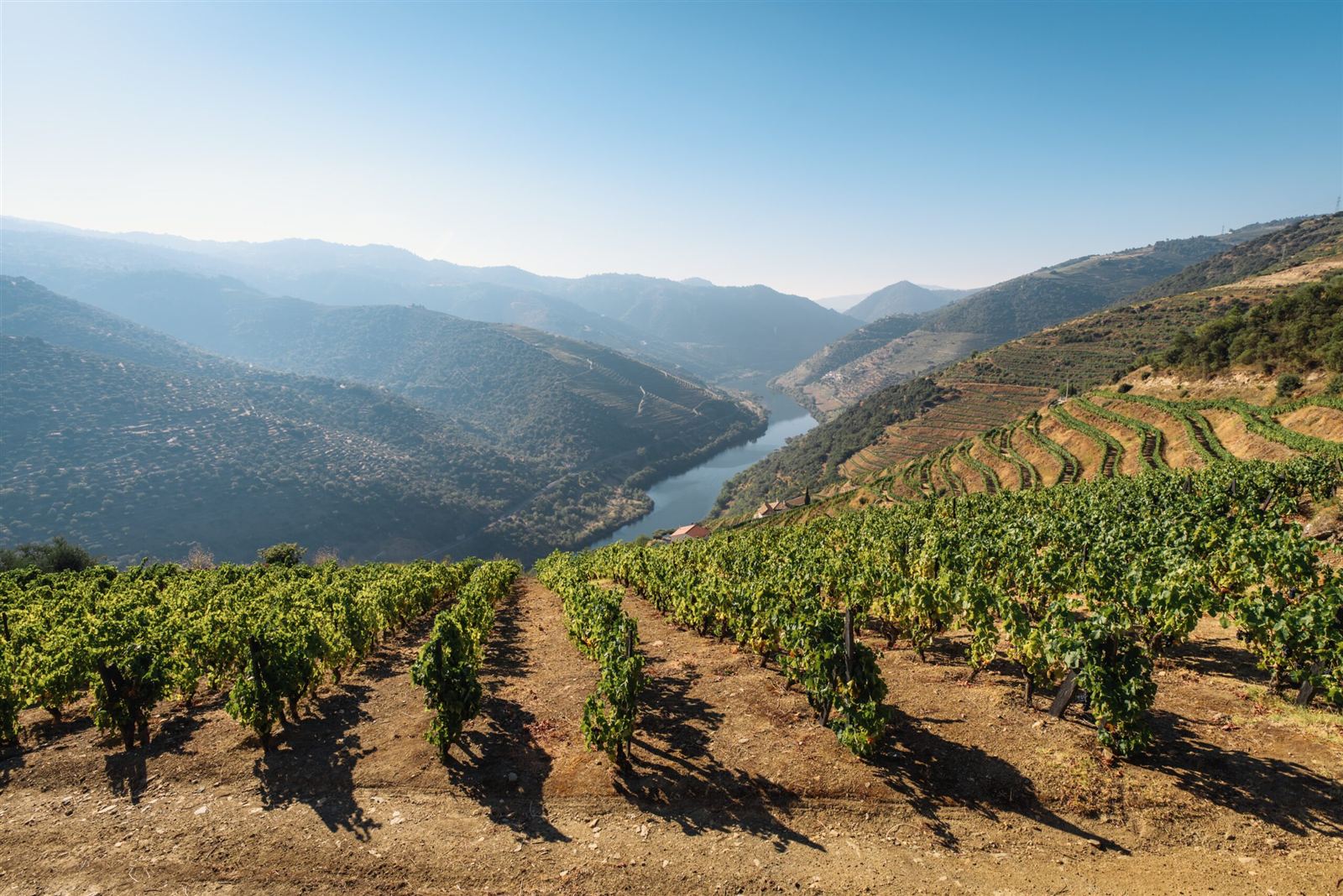
- The upper Douro: vineyards, almond blossom in late winter and the end of the Douro railway line at Pocinho. See the Douro itinerary.
- Castelo Rodrigo: a historic hilltop village. See the historic villages.
Where to stay
Stay in a Douro quinta. Casa do Rio is close by. See where to stay in the Douro Valley or browse Douro stays.
More: UNESCO sites in Portugal and the Douro in winter.
Some links in this guide are affiliate links (GetYourGuide, Booking.com, Discover Cars). If you book through them we may earn a small commission at no extra cost to you. It helps keep our groups and this site free.
Still got questions?
Ask 305,000+ travellers and locals in our free Facebook groups.