
Trip guides / Alentejo
Marvao: Portugal's Clifftop Fortress Village
Marvão is one of the most spectacular villages in Portugal: a walled hamlet of white houses on a granite crag, with a castle whose ramparts look out across the plains into Spain. It’s small, quiet and unforgettable, especially at sunset. Here’s how to visit.
Quick answer: Marvão is in the northern Alentejo, about 2.5 to 3 hours’ drive from Lisbon, near the Spanish border. Walk the walls, climb the castle for the view, and stay overnight to see the village empty and quiet. Combine it with Castelo de Vide (15 minutes away). A car is essential. See places to stay in Marvão.
Things to do
- The castle: walk the battlements and keep for views over the Serra de São Mamede and into Spain.
- The village walls: a complete circuit around the village.
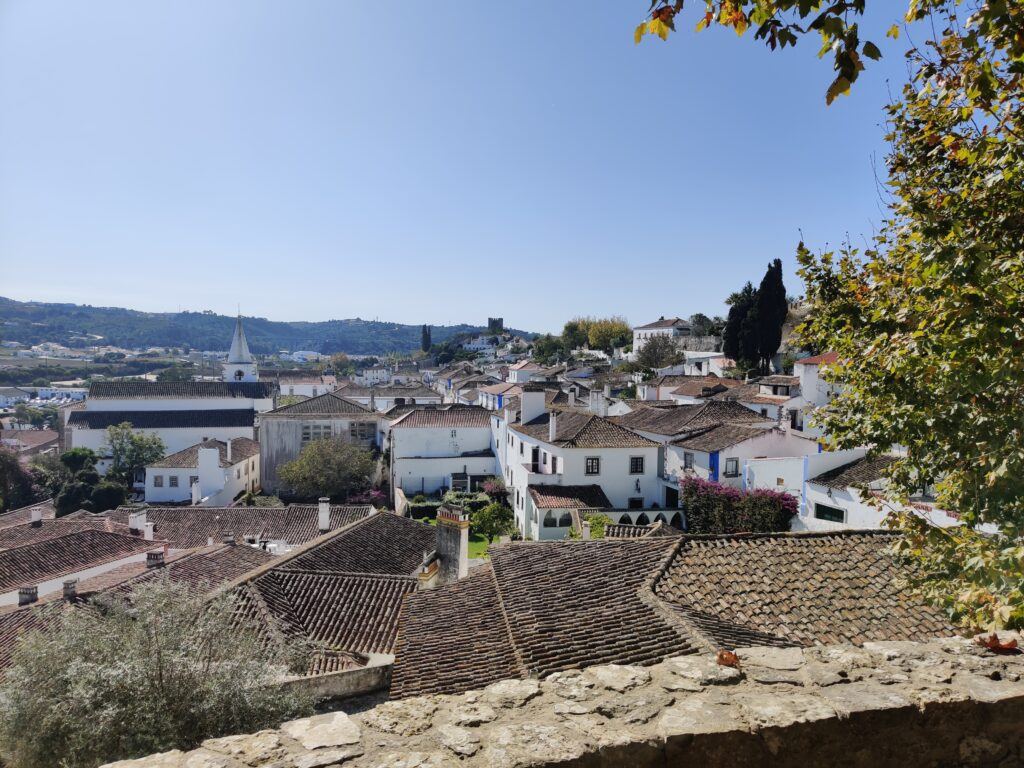
- The lanes: whitewashed houses, flower pots and granite doorways.
- The municipal museum in a former church.
- Ammaia: the remains of a Roman town in the valley below.
- The chestnut festival in November, a big local celebration.
Nearby
- Castelo de Vide: a hillside town with a medieval Jewish quarter. See Castelo de Vide.
- Serra de São Mamede Natural Park: hiking and wildlife.
- Portalegre: the regional capital, known for tapestries.
Tips
- Stay overnight: day-trippers leave by late afternoon, and sunset and sunrise are magical.
- Parking: park outside the walls and walk in.
- Weather: it’s cooler and windier than the plains, and misty in winter.
More: Portugal’s hidden gems, castles in Portugal and Alentejo hotels.
Some links in this guide are affiliate links (GetYourGuide, Booking.com, Discover Cars). If you book through them we may earn a small commission at no extra cost to you. It helps keep our groups and this site free.
Still got questions?
Ask 305,000+ travellers and locals in our free Facebook groups.