
Trip guides / Algarve
Culatra Island: Ferries, Beaches and Tips
Culatra is a car-free sand island in the Ria Formosa lagoon, a cheap ferry ride from Olhão. It has a working fishing village, a lighthouse hamlet and long, quiet ocean beaches. Here’s how the ferries work in 2026 and how to plan your day.
Quick answer: take the public ferry from Olhão: about 30 minutes to Culatra village or 45 minutes to Farol, for about €2.20 to €2.50 each way in cash. Boats run all year, from four a day in winter to seven in high summer, so check the last boat back. For a shorter trip, Armona is 15 minutes away.
.jpg)
Culatra at a glance
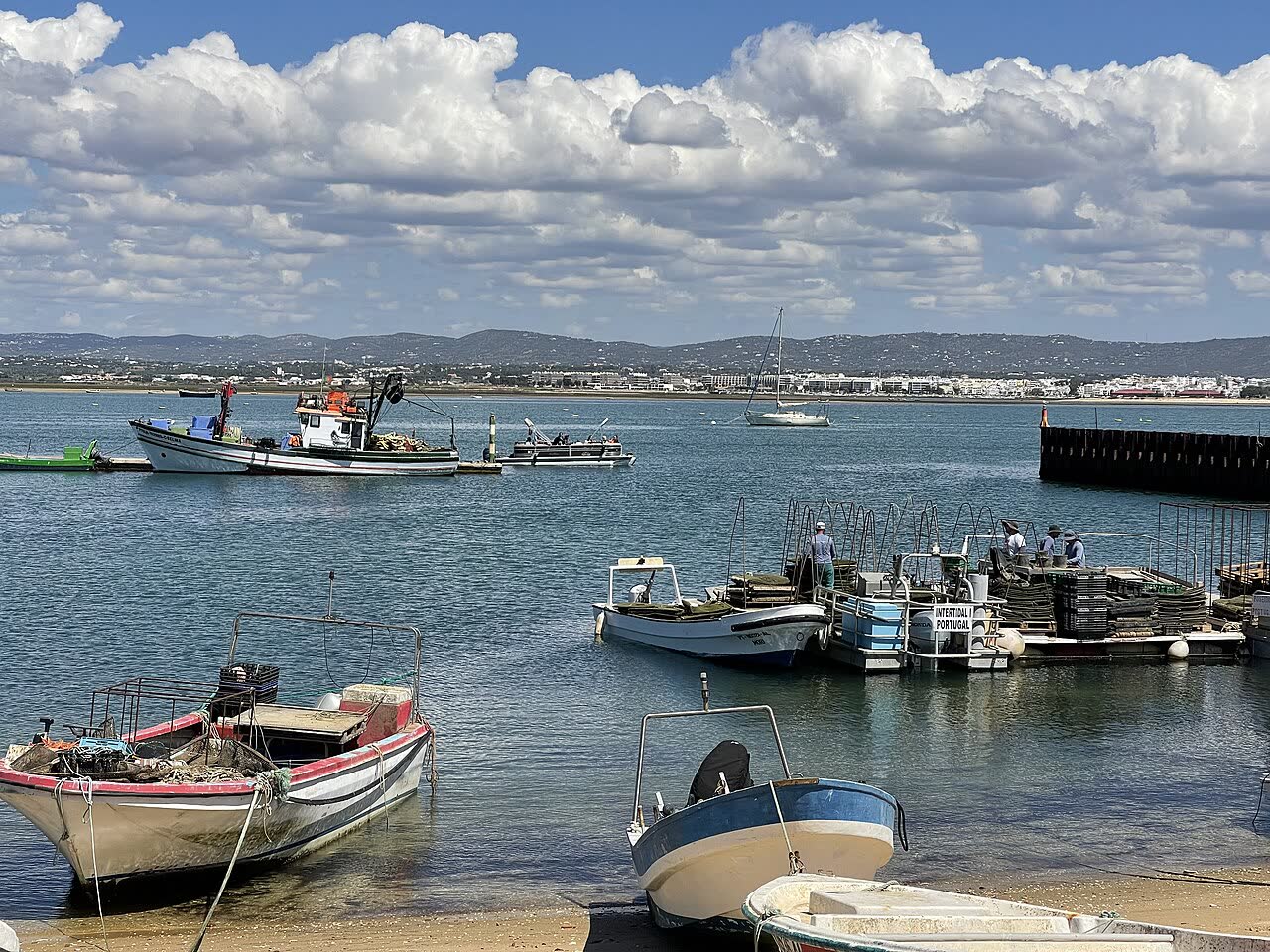
Culatra is one of the barrier islands that shelter the Ria Formosa, about 6 to 7km long and part of the natural park. It belongs to Faro but faces Olhão across the lagoon. Around 750 people live here all year, with no cars, just sandy lanes and boardwalks. There are three settlements.
Culatra village
The largest, towards the eastern end. It is a real fishing community with a school, a church, small shops and cafés, and most people here fish, farm fish or gather shellfish.
Farol
At the western tip, by the channel into the lagoon: mostly holiday houses around the lighthouse, with the ocean beach a few minutes from the pier. A new passenger pier opened here in June 2025.
Hangares
A small group of houses in between, named after a naval air base begun in 1918. The public ferry doesn’t stop here.
Getting there: the ferry from Olhão
- The boats: public ferries are run under concession by Guerreiro e Guadiana from the pier by Olhão’s market halls. The same boats serve Culatra village and Farol.
- Timetable: in 2026 there were four boats a day from Olhão from 21 September to 31 May (roughly 7am, 11am, 3pm and 6:30pm), six in June and seven from 1 July to 20 September. The last boat back from Culatra left at about 7pm in winter and 8pm in high summer. Check the board at the pier.
- Fares: about €2.20 each way to Culatra and €2.50 to Farol for adults in 2026, children about half. Since January 2026 pets cost about €1.10 a trip and four-wheeled trolleys €3.
- Tickets: buy them at the pier kiosk shortly before you sail. There is no online booking, and the kiosks have been cash only.
- Water taxis: they charge per boat, roughly €35 to €45 one way for up to four people in 2026. Agree the price first.
- From Faro: in recent summers a ferry has also run from the Portas do Mar pier to Farol and Culatra. Check this year’s times on Faro council’s website. See things to do in Faro.
Olhão is about 10 minutes from Faro by train. See things to do in Olhão.
The beaches
The south side faces the Atlantic, with one long beach of fine sand and real waves. The lagoon side is calm and shallow, better for paddling and birdwatching.
- Praia da Culatra: a boardwalk of about 1.2km crosses the dunes from the village, around 15 minutes on foot.
- Praia do Farol: a few minutes from the Farol pier. Both beaches flew Blue Flags in 2026.
- In between: you can walk from Farol to Culatra along the shore, but it is several kilometres of soft sand.
- Safety: lifeguards only in the summer bathing season, roughly June to September. Don’t swim near the channel at Farol, where currents are strong.
Stay on the boardwalks across the dunes. Compare other sands in the best Algarve beaches.
The lighthouse
The Farol do Cabo de Santa Maria was first lit in 1851 and stands about 46m tall. The cape it is named after, mainland Portugal’s southernmost point, is on neighbouring Ilha Deserta. Staffed lighthouses usually open free on Wednesday afternoons, but in October 2026 the lighthouse service listed this one as closed to visits for refurbishment, with no reopening date. Check before planning a climb.
Food and facilities
Culatra village has a handful of simple restaurants and cafés serving grilled fish, clams and seafood rice, and Farol has a few bars. Many cut their hours or close out of season, so check recent reviews. See the seafood guide.
- Cash: bring enough for the ferry and lunch, and don’t rely on finding a cash machine.
- Shade: almost none, so pack a parasol, a hat and water.
- Rubbish: take it back to the mainland.
Culatra or Armona?
Armona is a separate island just east of Culatra, about 15 minutes from Olhão. A sandy path leads from the jetty past holiday chalets to a long ocean beach, and there are cafés and a campsite with bungalows (usually open about February to October). In July and August boats run roughly every 30 to 60 minutes, but from October to March only four a day, the last back at about 5:30pm. Choose Armona for a half day or small children, and Culatra for a full day.
How to plan a day
- 8:30am: Olhão’s market halls, best on Saturdays with the farmers’ market outside (closed Sundays). See Algarve markets.
- 11am: the ferry to Culatra, which runs at this time all year.
- Midday: the boardwalk to the beach, a swim and lunch.
- Afternoon: a mid-afternoon boat back in winter, or later in summer.
To see both ends, sail to Farol, walk the beach to Culatra village and take the ferry back from there.
When to go
- June and September: warm sea and fewer people.
- July and August: the most boats, but long queues for the evening boats back.
- Winter: four boats a day, many cafés closed and no lifeguards, but good for beach walks.
Olhão makes the easiest base. See where to stay in the Algarve and Tavira and the eastern Algarve.
A greener island
The Culatra 2030 project, led by the University of the Algarve with the islanders, is an EU clean-energy pilot. By 2024 it had five solar installations, including panels over the main boardwalk, covering about a quarter of the island’s power needs, plus battery storage and a solar boat. Help by keeping to the boardwalks and leaving nesting birds alone.
Rather go with a guide? See Ria Formosa island-hopping tours, which often stop at Culatra or Armona. The public ferry costs only a few euros, so a tour is worth it only for the commentary and extra stops.
FAQ
How do you get to Culatra Island?
By public ferry from Olhão, all year: about 30 minutes to Culatra village and 45 to Farol, for about €2.20 to €2.50 each way in cash.
Is Culatra or Armona better?
Armona is closer, with more boats in summer, so it suits a half day. Culatra has a working fishing village and emptier beaches.
Can you stay overnight on Culatra?
There are no hotels, though some islanders let houses or rooms, and wild camping isn’t allowed in the natural park. Armona has holiday chalets and a campsite.
Is Culatra worth visiting?
Yes, if you like quiet beaches and a lived-in village. There’s no nightlife, and winter boats are few.
More: the Ria Formosa Natural Park and east vs west Algarve.
See also: Ilha de Tavira, the best Algarve boat trips and Portugal’s hidden gems.
Some links in this guide are affiliate or referral links (GetYourGuide, Booking.com, Discover Cars, Welcome Pickups, Airalo, Yesim, Saily, Tiqets, Radical Storage, EKTA, AirHelp, Uber). If you book or sign up through them we may earn a small commission or ride credit at no extra cost to you. It helps keep our groups and this site free.
Still got questions?
Ask 305,000+ travellers and locals in our free Facebook groups.