
Trip guides / Porto
Is Porto Safe? What Visitors Need to Know
“Is Porto safe?” Yes. Portugal’s second city is relaxed and friendly, and serious crime against visitors is rare. The usual problems are small and avoidable: a phone lifted on a crowded tram, an overpriced ride or a slip on wet cobbles. Here’s what to watch for.
Quick answer: Porto is very safe, including for solo travellers and families. The main risk is pickpocketing in crowds: the Ribeira, São Bento station, the historic trams and the Livraria Lello queue. Keep bags zipped and in front, wear shoes with grip, and swim only at lifeguarded beaches. The emergency number is 112.
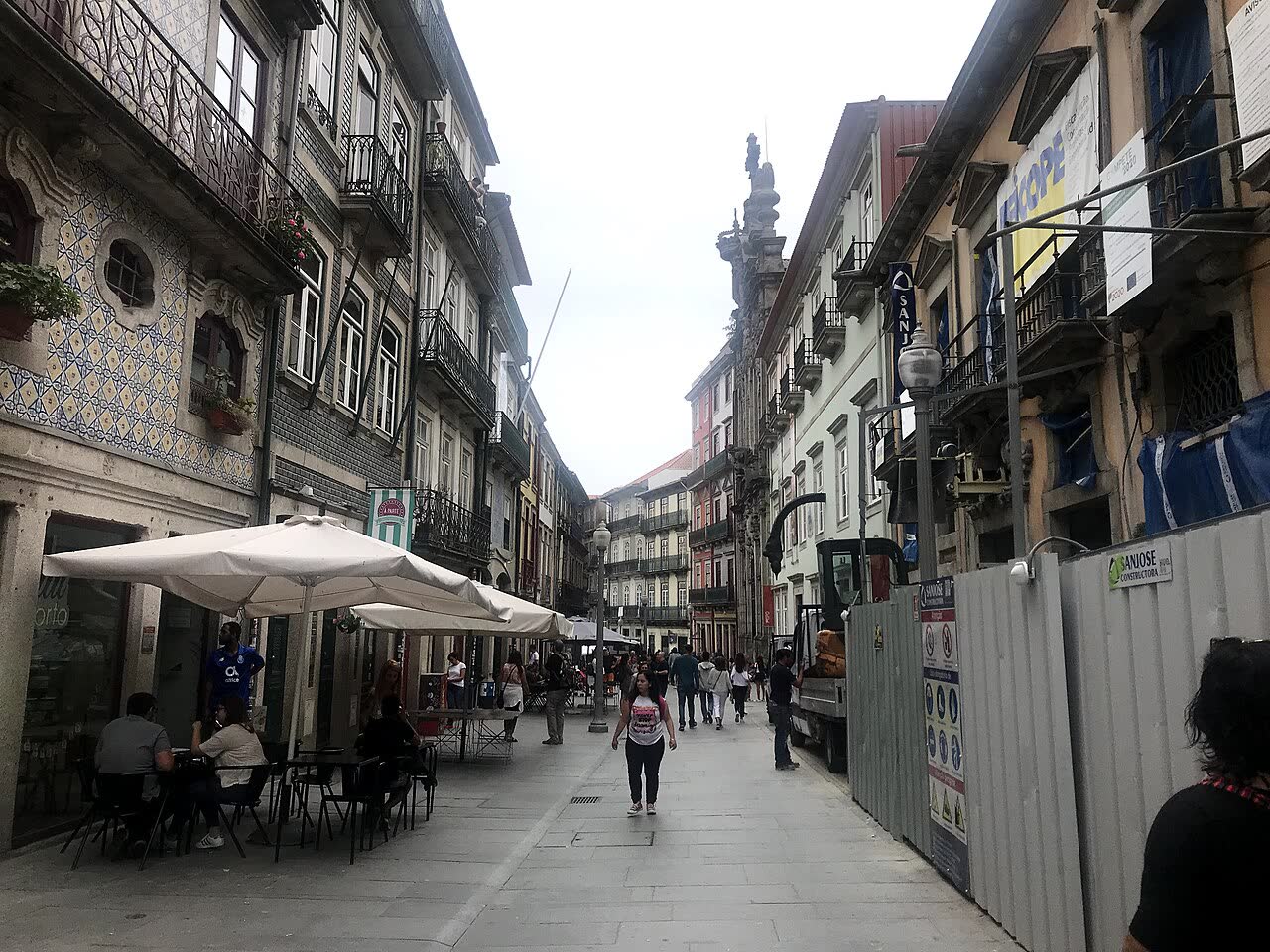

How safe is Porto?
Very. Portugal came 7th out of 163 countries in the 2026 Global Peace Index, and the US State Department gives it its lowest warning level: “exercise normal precautions”. Petty theft is the thing to plan for. Portugal’s annual internal security report (RASI) counted 7,443 pickpocketing cases in 2025, up 7.7% on 2024, and about a quarter of them were in the Porto district.
Pickpocketing hotspots in Porto
Thieves often work in pairs: one distracts you while the other takes a wallet or phone. Be most careful here:
- Trams 1, 18 and 22: small and packed in summer, and the queues at Infante (tram 1) and Carmo are prime spots. Tram 22 has been back since 1 August 2026, at about €6 a ride.
- The Ribeira: in December 2024, Correio da Manhã reported two men working together taking a wallet from a woman at a riverside café. Keep your bag on your lap, not on the back of your chair.
- São Bento station: everyone looks up at the tiles, which is when hands go into bags.
- Rua de Santa Catarina and the Bolhão: the main shopping street gets packed on Saturdays.
- The Livraria Lello queue: buy your ticket (about €8 to €10, deducted from a book) on Lello’s own website, never from someone in the street.
- Metro line E to the airport: keep valuables on you, not in the outside pocket of a case.
How to avoid it: wear a zipped crossbody bag in front, keep your phone off café tables, and step away from anyone crowding you at a tram door.
Scams and street sellers
- Fake drugs: in the Baixa and by the river you may hear a muttered “hashish?”. The PSP says the fake-drug trick happens in Porto too, and it’s usually pressed bay leaves or tea. Keep walking. Buying in the street is illegal anyway.
- Street sellers: the PSP has seized counterfeit sunglasses and other goods from illegal street sellers in the centre. A firm “não, obrigado” works.
- Unlicensed taxis: never take a ride from someone who approaches you in the airport terminal. Use the official rank or an app; since 1 September 2026, Uber and Bolt can also send licensed taxis, and busy-time app prices have no legal cap, so check the fare first. See Uber vs Bolt vs taxi.
- Restaurant couvert: the bread and olives put on your table aren’t free. It’s normal, not a scam, and you can send them back. See money in Portugal.
- Cash machines: use bank ATMs marked Multibanco, and always pay in euros.
Is Porto safe at night?
Generally yes, and the centre stays busy late.
- Galerias de Paris: the bar streets around Rua Galeria de Paris and Rua Cândido dos Reis get packed after midnight at weekends, so keep your phone zipped away and watch your drink. Since 25 June 2025, shops can’t sell alcohol to drink in the street between 9pm and 8am.
- Ribeira and Gaia: lively and well lit in the evening. Once the terraces close, the stairways up from the river are dark and empty, so go back by the main streets or take a ride.
- Quieter spots: there are no no-go areas in the parts visitors use, but Porto-based guides suggest a ride rather than a late walk around Campanhã station or the back lanes of Batalha.
- Getting home: the metro usually stops around 1am. After that, use Uber, Bolt, a taxi or a night bus from Aliados. See Porto nightlife.
Steep streets, stairs and the bridge
- Slippery stone: granite setts get very slippery in the rain, which is common from autumn to spring. Wear shoes with grip.
- The Guindais steps: this long, steep stairway climbs from the riverside by the bridge to Batalha. Go slowly in the wet. The Guindais funicular has been suspended since July 2026, so instead cross to Gaia and take the cable car (about €7 one way) up to the top deck, or a taxi. See Porto public transport.
- The top deck: keep to the side walkways, as metro trains run down the middle.
- Bridge jumping: teenagers jump from the lower deck into the Douro in summer. Don’t join them. In May 2025, a 17-year-old drowned after jumping there, Renascença reported.
River and beach safety
The Atlantic here is cold and strong. In April 2025, before the bathing season, Matosinhos council reported 18 people rescued from its beaches in two days and warned that rip currents (agueiros) are frequent and hard to spot.
- Lifeguards: usually on duty at the main beaches in Foz and Matosinhos from mid-June to mid-September. See the best beaches near Porto.
- Flags: green means swim, yellow means paddle only, and red means stay out. A chequered flag means no lifeguard is on duty.
- Caught in a current: don’t fight it. Float, raise an arm, and swim parallel to the beach.
- Rough seas: stay off the pier and rocks at Foz when waves break over them, and never swim in the Douro in the city.
Solo and female travellers
Porto is an easy city for solo travel, including for women. The UK government says sexual assaults are rare but happen mostly around nightlife late at night, so buy your own drinks and keep them in sight. Stay somewhere central and busy (see where to stay in Porto), and take an app ride home late.
LGBTQ+ travellers
Portugal legalised same-sex marriage in 2010. Porto is relaxed and welcoming, with a small, friendly scene in the centre and a Pride march usually in early summer. See LGBTQ+ travel in Portugal.
Emergencies and the tourist police
- Emergency number: 112 for police, ambulance and fire. It’s free, and operators usually speak English.
- Tourist police: Visit Porto lists the PSP’s tourism police station (Esquadra de Turismo) at Praça de Pedro Nunes 16, open daily from 8am to midnight (222 461 190), with English-speaking officers. Check before you go, as some guides give an older address; any PSP station will take a theft report.
- Health: unless it’s an emergency, call SNS 24 on 808 24 24 24 (press 9 for English) before going to hospital. The main public emergency departments are at Santo António, near the centre, and São João. See healthcare for tourists.
- Stolen cards: block them in your banking app straight away, then report the theft.
Travel insurance
Travel insurance: an EHIC or GHIC only covers state healthcare. It won’t pay for private clinics, sea rescue, a flight home or a cancelled trip, so take out travel insurance before you go. EKTA sells short-trip cover online in a few minutes; compare the medical limits and check it’s available where you live.
FAQ
Are there areas to avoid in Porto?
Not in the parts most visitors see. Late at night, take a ride rather than walking through empty back streets.
Is Porto safer than Lisbon?
Both are very safe. In 2025, the Lisbon district had 46% of Portugal’s reported pickpocketing and the Porto district 26%, but Lisbon also gets more visitors. See is Lisbon safe?
Is the Ribeira safe at night?
Yes, it’s busy and friendly in the evening. Once the bars close, walk back up by the main streets.
Is it safe to swim at Porto’s beaches?
Yes, at lifeguarded beaches from mid-June to mid-September, if you follow the flags. Avoid unsupervised beaches and rough seas.
More: things to do in Porto and is Portugal safe?
See also: Porto public transport, Porto nightlife and where to stay in Porto.
Some links in this guide are affiliate or referral links (GetYourGuide, Booking.com, Discover Cars, Welcome Pickups, Airalo, Yesim, Saily, Tiqets, Radical Storage, EKTA, AirHelp, Uber). If you book or sign up through them we may earn a small commission or ride credit at no extra cost to you. It helps keep our groups and this site free.
Still got questions?
Ask 305,000+ travellers and locals in our free Facebook groups.