
Trip guides / Lisbon
Lisbon Cathedral (Se de Lisboa): Tickets, History and Tips
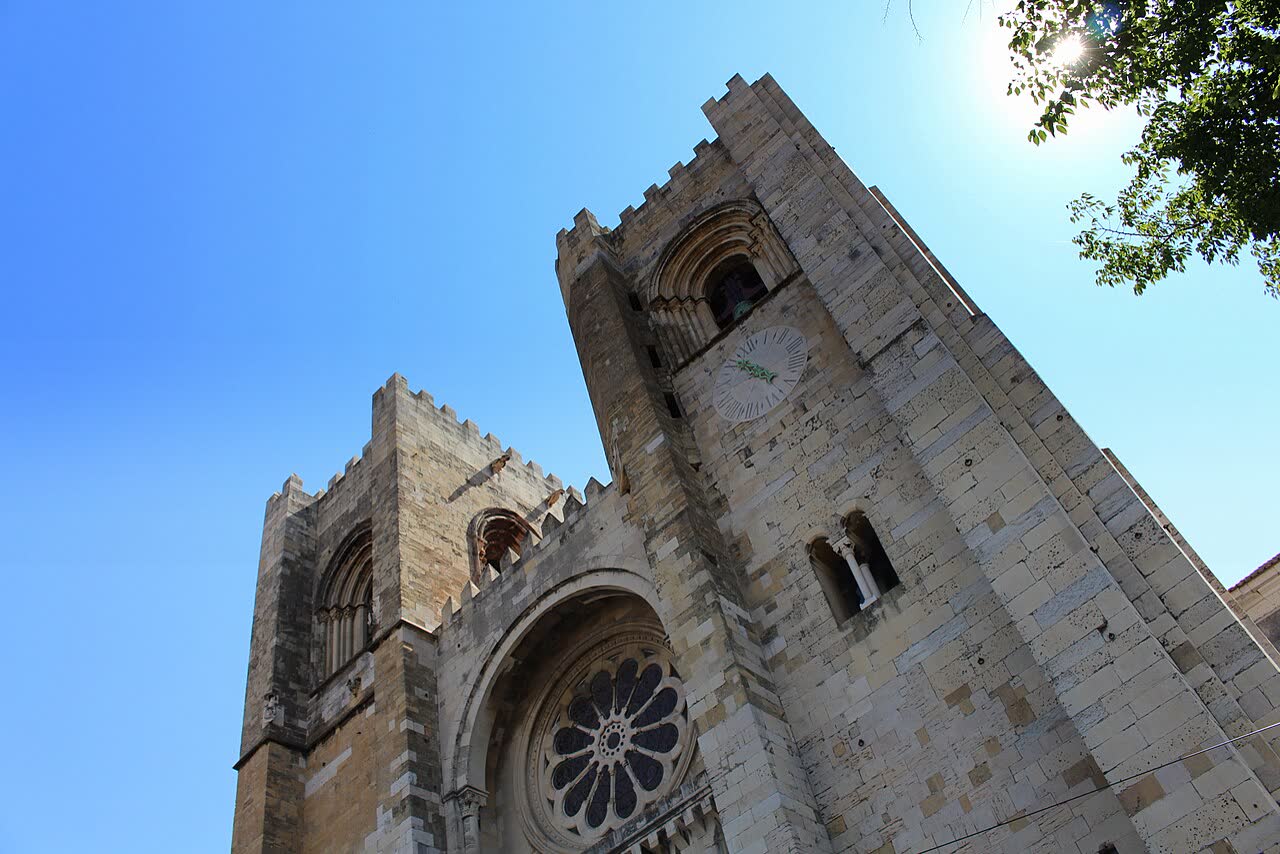
Lisbon Cathedral, the Sé, is the city’s oldest church, begun in 1147 just after Lisbon was taken from the Moors. It stands on the edge of Alfama, right on the tram 28 route, so it pairs easily with the castle. Here’s what’s free, what the ticket covers and when you can go in.
Quick answer: the visit costs €7 (€5 for ages 7 to 12 and Lisboa Card holders, free under 7) and covers the naves, the high choir, the balcony between the towers and the Treasury. Only a prayer chapel is free. Tourist visits run Monday to Saturday; on Sundays you can only come to Mass. The cloister dig has been shut since 2018. Allow about an hour.
.jpg)
What’s free and what’s paid in 2026
| What | Price |
|---|---|
| The façade and the square outside | Free |
| The prayer chapel (Blessed Sacrament) | Free, for prayer only |
| Mass | Free |
| Naves and ambulatory, high choir, tower balcony, Treasury | €7 adults; €5 ages 7 to 12 and Lisboa Card; free under 7 |
| Sé Digital phone guide | €3 extra |
| Cloister and archaeological area | Closed, no opening date |
Prices are from the cathedral’s official site. Sé Digital is an AI audio guide on your own phone, in six languages including English. Resale sites sell the same entry online, sometimes for more.
Opening hours, Sundays and Mass
From November to March the cathedral is usually open 10am to 6pm. From spring to October it’s usually 9:30am to 7pm, though Wednesdays and Saturdays may still close at 6pm (the official site’s own pages differ, so check). Last entry is 30 minutes before closing.
- Sundays and holy days: closed for sightseeing. You’re welcome at the 11:30am Sunday Mass, but not to wander or take photos.
- Services: tourist visits pause during Mass, including the 5:30pm weekday Mass on Tuesdays, Wednesdays and Thursdays.
- Holidays: closed to visitors over Christmas and New Year. Ordinary public holidays are normally open.
Dress code
The Sé is a working church, and its ticket page carries a notice about suitable clothing. Cover your shoulders and knees, and take your hat off inside. A light scarf fixes a strappy summer top.
A short history
Afonso Henriques, Portugal’s first king, took Lisbon in 1147 with the help of crusaders. An English crusader, Gilbert of Hastings, became bishop, and building began that year on the site of the main mosque. The result was a Romanesque church with three naves behind a front built like a castle, with twin towers and battlements.
- Gothic additions: King Dinis added a Gothic cloister. In the 14th century, starting under Afonso IV, the apse was replaced by a Gothic main chapel and an ambulatory ringed with chapels.
- 1755: the earthquake brought down the Gothic main chapel, the nave roof, the south tower and the lantern tower. Rebuilding ran from 1761 to 1785.
- The rose window: rebuilt from fragments in the 20th century, with 1930s stained glass showing the twelve apostles around Christ.
- The makeover: early 20th-century restorers stripped away later additions to bring back a medieval look. It became a National Monument in 1910 and was reopened in 1940.
What you see inside
- The naves: tall, dim and plain next to Lisbon’s gilded baroque churches. Look for the clay nativity scene made in 1766 by Joaquim Machado de Castro.
- The ambulatory: the Gothic walkway behind the altar, with 14th-century tombs. The nobleman Lopo Fernandes Pacheco lies in stone holding his sword, a dog at his feet.
- The high choir: a view down the nave. On the stair wall is a small cross that, tradition says, St Anthony drew as a boy to drive off the devil. He is said to have been baptised and schooled here.
- The balcony: a narrow walkway between the bell towers, looking over the rooftops to the river.
The Treasury
A museum since 1993, the Treasury has four rooms: reliquaries, including those of St Vincent, Lisbon’s patron saint; vestments and religious art; the 18th-century Chapter Room; and a library. The star piece is the 18th-century Patriarchal Monstrance, which the cathedral calls one of the most splendid in the world. Legend says two ravens guarded St Vincent’s relics on the boat that brought them to Lisbon in 1173, which is why a ship with two ravens is on the city’s coat of arms.
The cloister dig: Roman street and Islamic remains
Archaeologists have been digging under the Gothic cloister since the 1990s. They found layers from the Iron Age onwards: a Roman street about 17 metres long lined with shops, from the town the Romans called Olisipo, and Islamic buildings, including remains of an early 12th-century mosque. After a public row in 2020 over plans to remove part of the mosque, the government ruled that the Islamic remains should stay.
The cloister has been closed since 2018. A project of about €8.7 million has turned the dig into an underground archaeological centre, with a new lift entrance from Rua das Cruzes da Sé. In mid-September 2026 the team said the work was finished, but no opening date had been set, and it isn’t part of the current ticket.
Getting there, tram 28 and the classic photo
- Tram 28 and tram 12: both run past the cathedral along Rua Augusto Rosa, then down past the church of Santo António. A single is €3.30 on board, or about €1.72 with navegante zapping credit. See our Lisbon trams guide.
- Bus 737: passes the cathedral on its way from Praça da Figueira to the castle.
- On foot: about 10 minutes uphill from Praça do Comércio.
The photo: the classic shot is a yellow tram swinging past the cathedral’s towers. Stand on the pavement just downhill, near Santo António, and wait for a tram to come down past the façade, ideally in the morning. Trams pass very close, so stay on the kerb. More in Lisbon’s best photo spots.
Combine it with Alfama and the castle
The Sé slots neatly into a half day in Alfama:
- 9am: São Jorge Castle at opening (about €17), by bus 737. See our São Jorge Castle guide.
- 11am: the Santa Luzia and Portas do Sol viewpoints, five minutes downhill.
- 11:30am: the Sé, a few minutes further down, then the little church of Santo António below it (free).
- 1pm: lunch, then wander down through the lanes to the river.
On a Tuesday or Saturday, add the Feira da Ladra. On a Sunday, admire the cathedral from outside and linger at the castle. For more churches, see Lisbon’s best churches.
Want a guide? The cathedral sells its own tickets, so you don’t need a reseller. For a person to explain the neighbourhood, see Alfama walking tours, which often pass the Sé. Check whether cathedral entry is included.
FAQ
Is Lisbon Cathedral free to visit?
Only partly. The façade, the prayer chapel and Mass are free, but sightseeing inside costs €7 for adults.
Can you visit Lisbon Cathedral on a Sunday?
Not as a sightseer. It’s closed to tourist visits on Sundays and holy days, but you can attend the 11:30am Sunday Mass.
How long do you need at Lisbon Cathedral?
About an hour for the naves, high choir, balcony and Treasury, or 15 minutes for the façade and the prayer chapel.
Is the cloister at Lisbon Cathedral open?
Not as of October 2026. It has been closed since 2018; the works are finished, but no opening date had been announced.
More: things to do in Lisbon and free things to do in Lisbon.
See also: the best Lisbon viewpoints, Porto Cathedral and is the Lisboa Card worth it?
Some links in this guide are affiliate or referral links (GetYourGuide, Booking.com, Discover Cars, Welcome Pickups, Airalo, Yesim, Saily, Tiqets, Radical Storage, EKTA, AirHelp, Uber). If you book or sign up through them we may earn a small commission or ride credit at no extra cost to you. It helps keep our groups and this site free.
Still got questions?
Ask 305,000+ travellers and locals in our free Facebook groups.