
Trip guides / Alentejo
The Best Alentejo Beaches: Comporta to Zambujeira
South of Lisbon, the Alentejo coast swaps the Algarve’s resorts for long, empty beaches, river mouths and small white villages. North of Sines it is one sweep of sand backed by dunes and pines; south of Sines the cliffs begin, with coves tucked between them all the way to the Algarve.
Quick answer: for endless sand, pick Comporta, Carvalhal or Melides. For coves, go to Porto Covo; for calm river water with children, Vila Nova de Milfontes; for cliffs and quiet, Almograve and Zambujeira do Mar. The Atlantic here is cold and often rough, so swim between the flags. In 2026, most lifeguards worked from 30 May to 30 September. You need a car.
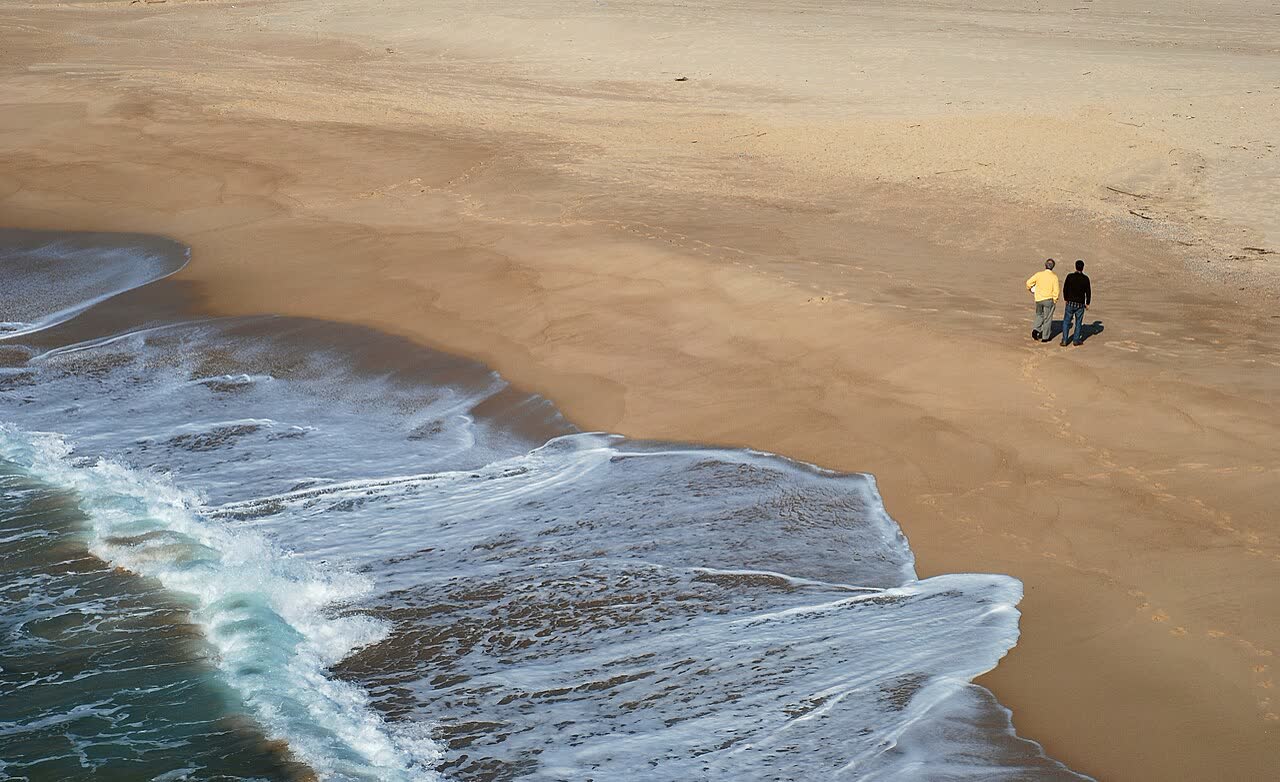

Which Alentejo beach is best for you?
| Beach | Town | Best for |
|---|---|---|
| Praia da Comporta | Comporta | Long walks and beach lunches |
| Carvalhal and Pego | Carvalhal | Space and dunes |
| Praia de Melides | Melides | Lagoon and sea side by side |
| Costa de Santo André | Santo André | Birdwatching |
| Vasco da Gama and São Torpes | Sines | A town beach, and surf |
| Grande and Ilha do Pessegueiro | Porto Covo | Coves and island views |
| Franquia and Furnas | Milfontes | Children and calm river water |
| Malhão | Milfontes | Surf and wild dunes |
| Almograve | Almograve | Quiet, and the trail |
| Zambujeira, Alteirinhos, Carvalhal | Zambujeira do Mar | Cliffs and sunsets |
The north: Tróia to Melides
The coast starts at the Tróia peninsula, across the Sado estuary from Setúbal, with calm estuary beaches and the start of the long ocean strand.
Comporta, Carvalhal and Pego
This is the Alentejo coast most people picture: wide, pale sand, boardwalks over the dunes, and rice fields behind with storks nesting on the poles. Praia da Comporta is the easiest to reach, with a large car park; Carvalhal is quieter, and Pego draws a fashionable crowd. All three flew a Blue Flag in 2026. Beach restaurants are relaxed but not cheap, so book lunch at summer weekends. See our Comporta guide.
Melides
Here a bar of sand separates the Atlantic from the Lagoa de Melides, with surf on one side and still water on the other. Families paddle at the lagoon’s edge, but only the sea beach is an official bathing area with lifeguards. Luxury resorts have spread between Tróia and Melides, and in 2025 and 2026 access to some beaches, such as Galé-Fontainhas, became a national debate; the government says every beach must stay public, so use the signed paths and car parks.
The middle: Santo André, Sines and Porto Covo
Lagoa de Santo André
Costa de Santo André sits on the sand bar between the sea and the Lagoa de Santo André, a nature reserve since 2000 and a stop for migrating birds. The bar is usually dug open to the sea once a year, in early spring. Nearby Fonte do Cortiço is a long beach backed by dunes and pines. Both had Blue Flags in 2026.
Sines
Vasco da Gama was born in Sines around 1469. Praia Vasco da Gama is the town beach, next to the fishing harbour below the old town: handy rather than wild. Just south, São Torpes is the busiest beach in the area and its surf spot, with surf schools.
Porto Covo
Below the village, Praia Grande is reached by steps, and small coves such as Samoqueira and Buizinhos fill gaps in the dark cliffs; some are hard to reach and have no lifeguards. A few kilometres south, Praia da Ilha do Pessegueiro faces an island with fort ruins and Roman fish-salting tanks, with boat trips in summer. See our Porto Covo guide.
The south: Milfontes to Zambujeira
Vila Nova de Milfontes
Praia da Franquia, on the Mira river by the village, has calm water for children. Across the river, Praia das Furnas has river water on one side and the sea on the other, and a little taxi boat crosses from the village. North of town, Malhão is a long, open beach with dunes, popular with surfers. Furnas and Malhão had Blue Flags in 2026. Keep away from the channel at the river mouth. See our Milfontes guide.
Almograve
A small village with a wide beach below dark cliffs, quieter than Milfontes, with 2026 Blue Flags on both its northern and southern sections.
Cavaleiro and Cabo Sardão
This one is for looking, not swimming. Beside the village of Cavaleiro, the Cabo Sardão lighthouse has stood since 1915, and white storks nest on the sea cliffs, best seen from late winter to early summer. Stay well back from the edge.
Zambujeira do Mar
The main beach lies right below the clifftop village. Alteirinhos, just south down a wooden staircase, is bigger and more sheltered from the wind. Carvalhal, a wide cove between high cliffs, is a short drive south, with car parks and a ramp. All three had Blue Flags in 2026. The Sudoeste festival was not held in 2025 or 2026. See our Zambujeira do Mar guide.
Swimming safety and lifeguards
- Cold water: this is the open Atlantic, colder than the Algarve, at about 16 to 19°C in summer.
- Currents: rips are common. Swim only between the flags.
- 2026 lifeguard season: 30 May to 30 September from Comporta to Melides and from Milfontes to Zambujeira; 13 June to 15 September at Santo André; 13 June to 19 September around Sines and Porto Covo (São Torpes to 30 September).
- River beaches for children: Franquia and the river side of Furnas, or Odeceixe, just over the Algarve border.
- Cliffs: don’t sit under them or near the edges.
Getting there and around
- By car: take the tolled A2 south from Lisbon. Allow about 1 to 1.5 hours to Comporta, 2 hours to Porto Covo or Milfontes and 2.5 hours to Zambujeira. See car rental in Portugal.
- By bus: since 1 September 2026, Rede Expressos has run two buses a day each way between Lisboa Oriente and Sines, stopping at Comporta, Carvalhal and Melides. Coaches from Sete Rios serve Porto Covo, Milfontes and Zambujeira. There is no railway. See Portugal by bus.
- Parking: car parks usually fill by late morning in July and August. Campervans can’t stay overnight outside campsites in the natural park.
When to go
June and September give you warm weather, lifeguards and space. July and August are busy and pricier. Spring is lovely for walking but chilly for swimming, and from October many beach restaurants close or open only at weekends.
Walking between the beaches
The Rota Vicentina’s Fishermen’s Trail follows the clifftops south from São Torpes. Popular stages are Milfontes to Almograve (14.6km), Almograve to Zambujeira (21.5km) and Zambujeira to Odeceixe (18.7km). The association recommends walking between September and June. See Costa Vicentina and hiking in Portugal.
Book ahead: rooms fill early for July and August. See places to stay in Comporta or Vila Nova de Milfontes.
FAQ
Are the Alentejo beaches better than the Algarve?
They are wilder, emptier and less built up, but the water is colder and rougher. For warm, calm sea, choose the Algarve; for space and nature, the Alentejo.
Is the sea warm enough to swim in the Alentejo?
Yes, but it is bracing, at about 16 to 19°C in summer. The river beaches in Milfontes are calmer.
When are there lifeguards on Alentejo beaches?
In 2026, mostly from 30 May to 30 September, but from 13 June to mid or late September around Santo André, Sines and Porto Covo. Dates change each year, so check before you go.
Can you visit the Alentejo beaches without a car?
Partly. Coaches from Lisbon stop in Comporta, Melides, Sines, Porto Covo, Milfontes and Zambujeira, but many beaches are a taxi ride from the stop.
More: the best beaches in Portugal and the best road trips in Portugal.
See also: Évora and the Alentejo, Alentejo hotels and Arrifana Beach.
Some links in this guide are affiliate or referral links (GetYourGuide, Booking.com, Discover Cars, Welcome Pickups, Airalo, Yesim, Saily, Tiqets, Radical Storage, EKTA, AirHelp, Uber). If you book or sign up through them we may earn a small commission or ride credit at no extra cost to you. It helps keep our groups and this site free.
Still got questions?
Ask 305,000+ travellers and locals in our free Facebook groups.